If you’re feeling adventurous a mate’s brand new (at the time) set up is at the bottom of the canal at the back, he accidentally dropped it in when smoking out there, within 5 mins of being there
1 Like
The criticism of brutalist architecture ignoring the needs of those who end up inhabiting the buildings that the school produced is something that is always in the back of my mind when looking at them.
I mentioned the TV adaptation of Evelyn Waugh’s Decline and Fall in the TV thread and how I enjoyed that book in my early teens. There’s a character in there - Otto-Friedrich Silenus- an architect, who is clearly a parody of Le Corbusier. At thirteen years old I had no knowledge of architecture or the Bauhaus, (I may have known of the band, I suppose). This character was my introduction to both.
My Dad asked me what I was giggling about when I had my nose in the book. I explained that there was a character that had designed a two storey house that had no staircase. When this was pointed out by another character as being a design flaw Otto responded that it was the fault of the inhabitants and their wish to move about, ‘why can’t the creatures stay in one place? Up and down, in and out, round and round! Why can’t they sit still and work? Do dynamos require staircases? Do monkeys require houses? What an immature, self destructive, antiquated mischief is man!’ . On explaining a few other things that Prof. Silenus had said, my Dad said it sounded like Bauhaus stuff to him. Intrigued, I read up on it, and of course it was fascinating and, of course the parallels between the Otto character and the real life Le Corbusier became apparent. As I’ve got older, and on re-readings even the similarities in the politics of the two seem more obvious.
Another Otto quote that seems relevant is, ‘The problem of architecture as I see it is the problem of all art - the elimination of the human element from the consideration of form. The only perfect building must be the factory, because that is built to house machines, not men. ‘
Quite often the blame for the failings of the brutalist/modernist housing estates is layed at the feet of the inhabitants. The Smithsons, architects of the Robin Hood estate, seemed to ignore the fact that they themselves had, in many ways, failed as designers of the estate and instead blamed the residents. This is because the architects weren’t able to envisage how the space they designed was going to be used. They didn’t take into account that human beings are going to behave like human beings. They stuck to their guns and continued with the line that their estate was fine and if the residents had just behaved like the architects had wanted it would have been a success. That seems to be applied quite often by architects, I’ve seen cases of that train of thought used to explain what happened with the New Towns and their failure to live up to expectations as well.
That’s certainly a negative criticism of the movement that could be seen to fit almost across the board. I’m sure my being a skateboarder has coloured how I look at and appreciate these buildings. Even before I was really equipped to critically assess them, I was already using them. Ok, not as they were intended to have been used, but, nevertheless, I was interfacing with the structures and developing an association with them and the sense of place that comes with that grew. Sure, they’re ugly, but I loved them because of what they brought to me. It’s this that has stuck with me over the years I suppose. If I hadn’t skated, the way in which I look at these buildings would undoubtedly be different, and probably not in a good way. It’s my opinion that they need to be kept as often as they can be, maintained and restored where possible.
I’m sure that a lot of those buildings get tarred with the negative brush simply because they were social housing developments. You don’t see a lot of people demanding that Wells Coates’ buildings are demolished, quite the opposite. Those were generally well maintained over time, with a few exceptions, as they were privately owned. They never deteriorated to the point of becoming eyesores, (again there are exceptions), and they didn’t have the associated social problems either. There’s probably a degree of snobbery involved there. One could argue that it’s likely that the architects had more in common with the potential residents and could therefore better understand how these spaces would be used. I don’t know, maybe, maybe not. But these buildings seem to have functioned better as domestic dwellings than their more brutalist relatives.
I’m not sure I’d be all that happy to live in a Le Corbusier designed house. But, as the movement matured, some truly beautiful buildings came about. What came out of the ashes of the Bauhaus when Mies et al. headed to the States is really appealing to me. I’d love a Mies Van der Rohe or Groupius house. Even more so a Speyer or Neutra one. The case study houses are, for the most part, charming and that’s without rose tinted glasses on.
I think that repurposing Brutalist/ Modernist/ Industrial buildings is probably the way to go. Just so long that the lesson of ignoring the human element is learned. We get to keep the buildings and they then have new meaning to people, invoke a sense of place and consequently have value.
Ramble, ramble..blah, blah…
16 Likes
Verbalised ‘like’.
Your posts are fantastic - thank you.
2 Likes
Exactly what I was thinking about this subject but I’m nowhere near articulate enough to write like that, great post esp this, really defines my interest in it all too
Even before I was really equipped to critically assess them, I was already using them. Ok, not as they were intended, but I was interfacing with the structures and developing an association with them and the sense of place that comes with that grew. Sure, they’re ugly, but I loved them because of what they brought to me.
1 Like
Not a moment of rambling, at all.
Killer post.
1 Like
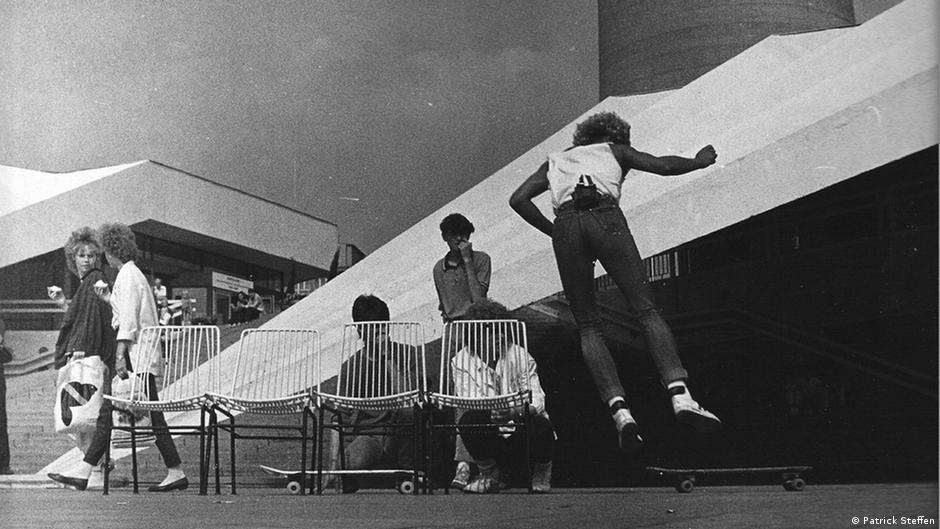
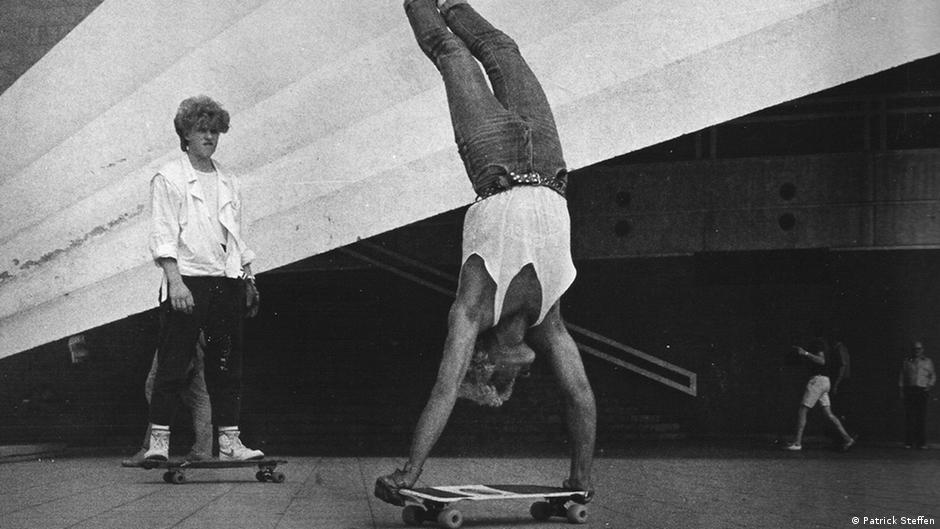
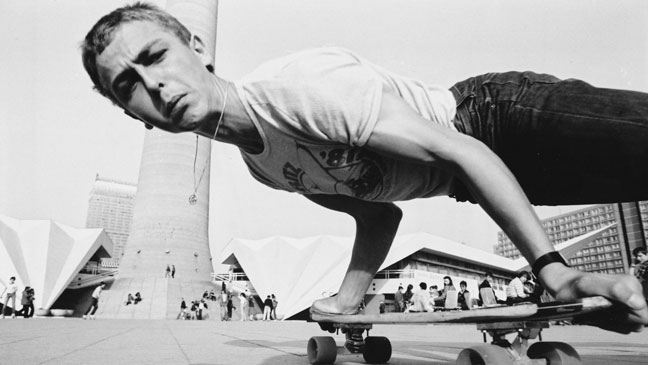
Did anyone see this when it came out? It doesn’t seem t be available in the UK currently but looks an interesting mix of 80s skating & GDR concrete

1 Like
Yeah, I forgot all about that. I saw it a good while back. It’s a really enjoyable watch. I can’t remember where I found it. I’ll have a dig about and see if I can find it.
1 Like
Brill, thanks.
I had a search & found this, claiming it’s a fake which seems weird / hard to set up / pointless…
1 Like
Hmmm  , interesting. Nothing seemed particularly out of wack when I saw it. From memory the super8 70’s footage looked authentic. Maybe there was a bit that was staged, I couldn’t really comment about that. There was footage from the 80’s and 90’s iirc and that looked fully legit. Maybe the way the ‘story’ was told was a little revisionist - show me a skate doc where that hasn’t been the case. I am intrigued now and would really like a second viewing with that Guardian article in mind.
1 Like
This article goes into a bit more detail…
1 Like
‘..Titus Dittmann supported his fellow skaters in the East and tires and boards were smuggled across the border… ‘
Skateboard ‘tires’ never fails to make me smirk.
I really do need to give it a rewatch.
1 Like
If you take a look at the IMDb user reviews, there’s a definite split down the middle - it’s either a fake shitshow or a must watch.  I remember enjoying it. Like you said, there’s a good mix of skateboarding and architecture regardless of anything else.
Used to go into East Berlin growing up in Berlin now and again, we had to go through the legit Checkpoint Charlie, which was kind of gnarly, but I just got a very brief insight to seeing the place as an outsider and child. I remember it being really pretty in places (Ye old cobbles, old historic builds, the German version of our Victorian ones and such but I wonder how much of that was rebuilt though?).
2 Likes
I doesn’t look as if it’s a available anywhere online that I can see. There is this option though:
1 Like
An amazing experience, would have loved to have crossed the iron curtain when I was younger!
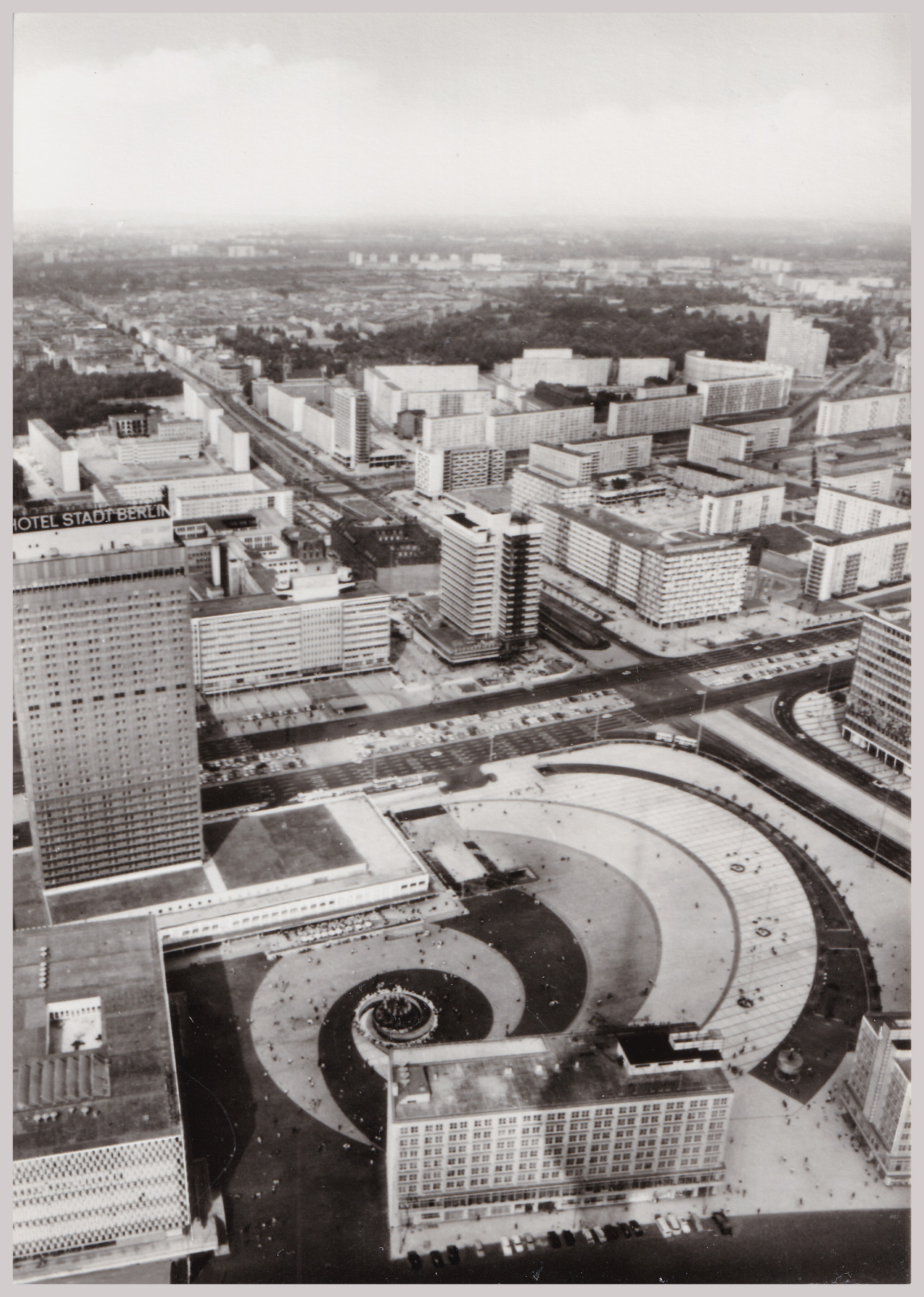
I’m probably hugely simplifying this but I assume that what wasn’t destroyed in WW2 remained and is still there, the post-war projects effectively replacing piles of rubble
2 Likes
Cool gonna order that - just need to find a DVD player…
1 Like
Related to housing in tower blocks, I watched this the other day, thought it was quite interesting. Nothing to do with Brutalism though - I liked the idea of mixed densities, uses and offsetting buildings like a chessboard to create space and light.

2 Likes
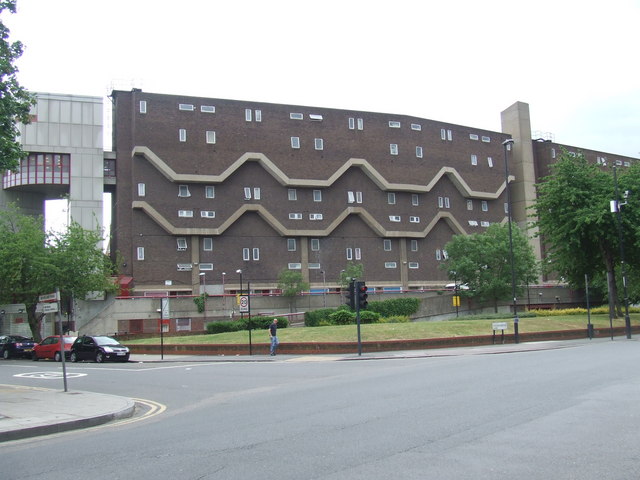
Lots of tales about this one, Southwyck House, known as the barrier block, rumours the female architect threw herself off the top on completion (not true) and that it was built back to front (probably not true). The walls were made so thick and the windows so small because of a planned Westway style flyover that never happened.
5 Likes
For sure, if you take the golden statue in Berlin (the victory column). It’s riddled with bullet holes from WW2 but is still standing. It was kinda rad growing up there. Our place was on the same street as Spandau Prison while Rudolf Hess was still a prisoner there too.
3 Likes
I’ve not been in East Berlin for a while and assume a lot has been developed but was fascinating / eerie / weird looking for bullet holes in everything after coming out of Watergate at 9am
1 Like